If you live in an older home, you may be wondering whether installing a heat pump is a realistic option for your property. While heat pumps are often associated with modern, energy-efficient new builds, they can also be suitable for existing properties, including older homes.
The age of your home alone does not determine whether a heat pump is suitable. Before making the switch from an existing oil boiler or another heating system, there are a few important factors to consider. Insulation, heat loss, radiators and the overall condition of your heating system will all influence how effectively a heat pump can heat your home.
With the right assessment, preparation and system design, many older homes can benefit from an energy-efficient heat pump system.
Here are six important considerations when planning a heat pump installation in an older home.
1. Is Your Home Well Insulated?
One of the most important factors to consider when installing a heat pump is the level of insulation throughout your property.
Unlike boilers, which typically heat water to higher temperatures, heat pumps operate most efficiently at lower flow temperatures. This makes the amount of heat your home loses an important consideration when designing an efficient heat pump system.
Older homes can sometimes have higher heat loss due to limited insulation, draughty windows or poorly insulated walls and roofs. Before installing a heat pump, consider whether improvements are needed to:
• Loft or roof insulation
• Wall insulation
• Windows and doors, including draught-proofing
Improving insulation before installing a heat pump can reduce your home's heating demand and help the system operate more efficiently.
However, not every older home will require extensive insulation upgrades. A professional home energy assessment carried out by a BER Assessor can help identify where improvements may be beneficial. In some older properties, a more extensive retrofit may be required to reduce heat loss and prepare the home for an efficient heat pump installation.
2. Will Your Existing Radiators Work with a Heat Pump?
Another common question homeowners ask is whether they need to replace their existing radiators when installing a heat pump. The answer is, not necessarily.
As heat pumps generally operate at lower water temperatures than traditional boilers, some existing radiators may not provide sufficient heat output to keep individual rooms comfortable.
In some cases, your current radiators may be suitable. In others, larger radiators or alternative heat emitters may be recommended. Underfloor heating is another option worth considering, particularly if you are renovating your home or replacing existing flooring.
A room-by-room heat loss calculation can help determine whether your existing radiators are suitable or whether changes are needed to achieve comfortable temperatures.
We offer a range of heating solutions designed to work alongside our award-winning Grant Aerona R290 air source heat pump range, including Uflex underfloor heating systems, Quick Recovery (QR) hot water cylinders and Aerona Smart Controls. Together, these technologies can be designed and specified to provide an integrated heating solution tailored to the property’s requirements.
3. Does Your Home Have Enough Space for a Heat Pump?
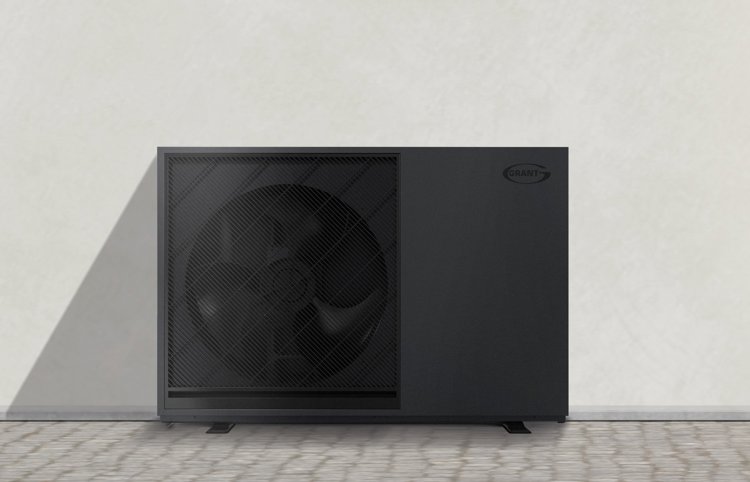
Unlike a traditional boiler, an air source heat pump has an outdoor unit that needs to be positioned outside your property. When considering an installation, it is important to identify a suitable location with sufficient space.
Your installer will assess the available outdoor space, airflow requirements, access for maintenance and potential noise considerations to determine an appropriate location. Any applicable planning requirements should also be checked.
You should also consider the space inside your home.
Most air-to-water heat pump systems require a hot water cylinder to store domestic hot water. If your existing home has a combination boiler or limited storage space, you may need to consider where a cylinder could be installed.
The size and location of the cylinder will depend on your household's hot water requirements and available space.
Planning for both the outdoor heat pump unit and the indoor system components is an important part of ensuring the complete heating system is suitable for your home.
4. Get Your Heating System Assessed Properly
Before choosing a heat pump, it is important to understand your property's overall heating requirements. A professional heating assessment should look at the heat loss of individual rooms, insulation levels, existing heat emitters and hot water demand.
This information helps determine the correct heat pump size and identifies any improvements needed before installation.
Choosing the right output is essential. A heat pump that is too small may struggle to meet your home's heating requirements, while an oversized system can lead to inefficient operation and unnecessary energy consumption.
For homeowners considering a deep retrofit, Grant's free Home Heating Design Service can help with the design and specification of a suitable heating solution. Grant's technical specialists can work from home plans and carry out room-by-room heat loss calculations to help specify the appropriate heat pump, hot water cylinder and heat emitters.
5. Consider the Award-Winning Grant Aerona R290 Heat Pump Range
Once you understand your home's requirements, the next step is choosing a suitable heat pump. The Grant Aerona R290 range has been developed to provide efficient, low-carbon heating for a variety of home types.
Designed for the Irish climate, our award-winning Aerona R290 heat pump combines high energy efficiency with quiet operation, recognised by Quiet Mark.
Available in a range of outputs to meet different heating requirements, the Aerona R290 range can be incorporated into a complete heating system alongside compatible hot water cylinders, radiators, underfloor heating and controls.
6. Is It Worth Preparing Your Home for a Heat Pump?
If your home needs some improvements before a heat pump can be installed, it is worth considering these as part of a longer-term home energy upgrade.
You may be able to plan improvements in stages, depending on your property's requirements and the proposed heating system. Starting with insulation and addressing areas of significant heat loss can help prepare your home for a future heating system upgrade.
However, it is important to consider your longer-term heating plans before undertaking improvements, as changes to your home’s insulation and heating requirements can influence the final heat pump specification.
It is also worth exploring available home energy grants and technical assessment requirements through the Sustainable Energy Authority of Ireland (SEAI). Eligibility criteria and support available will depend on your property and the scheme requirements.
Can an Older Home Have a Heat Pump?
Yes. An older home can be suitable for a heat pump, provided the home and heating system are appropriately assessed and specified.
The most important consideration is not simply the age of the property, but how much heat it loses and whether the heating system can be designed to meet its requirements efficiently.
Good insulation, suitable radiators or underfloor heating, adequate hot water storage and correct system sizing all play an important role in achieving efficient performance.
With the right planning and professional guidance, a heat pump can form part of a complete, energy-efficient heating solution tailored to your home.
Ready to explore whether a heat pump is right for your home?
If you are planning a deep retrofit, our free Home Heating Design Service can help you plan an integrated heating solution tailored to your property’s requirements. Simply share your planning drawings and contact information with our in-house design and specification team to get started!
If you’re still exploring your options, visit our FAQs and Customer Support Centre for further information about our heating technologies and services.